
Home / About Us
STANMORE HA7 / FULL MOULD REMOVAL
About Us
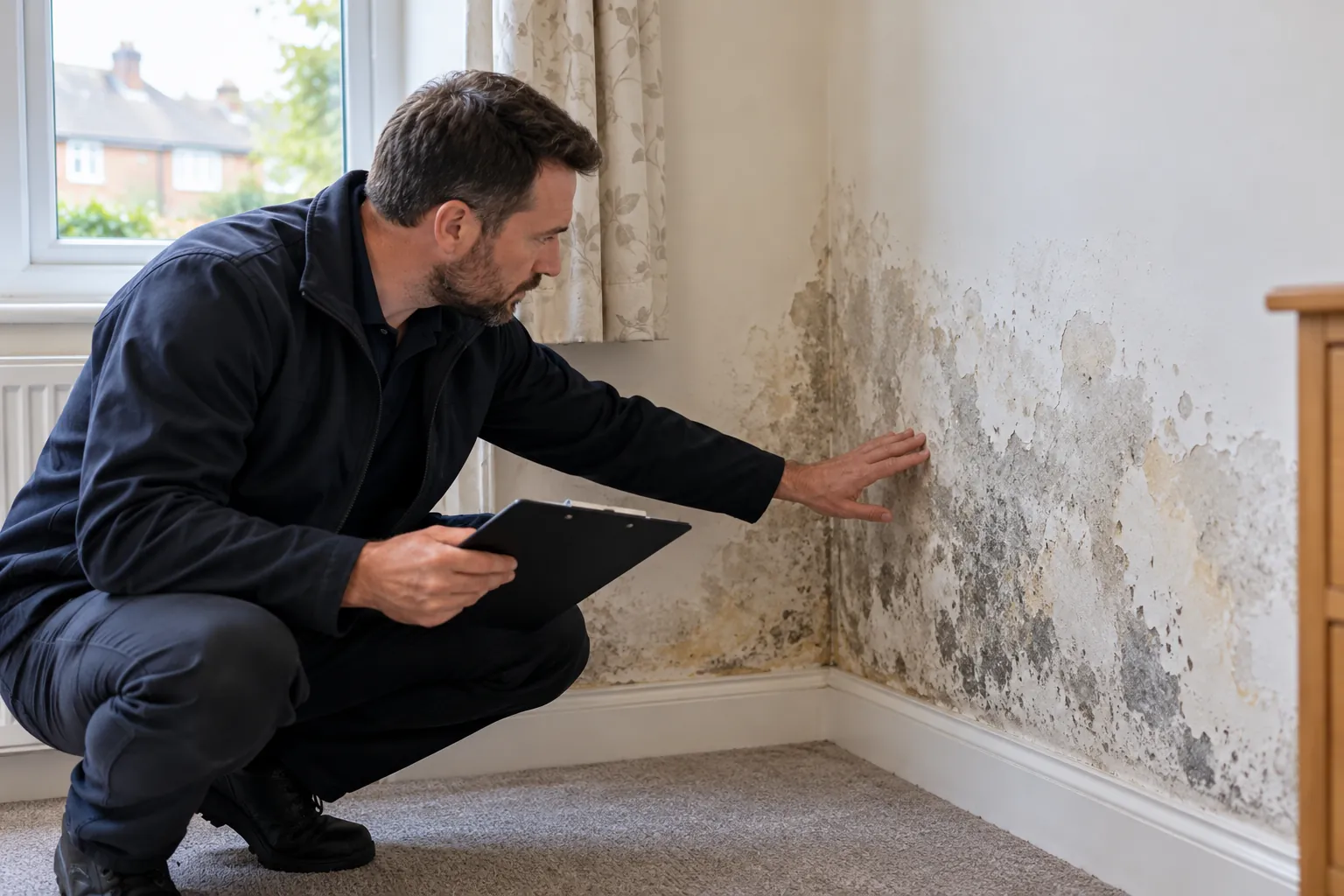
Full Mould Removal Stanmore focuses on mould treatment and the inspection of moisture-related problems in homes in Stanmore HA7. This page explains how the services fit together, what you can expect from an enquiry and where the scope of an assessment needs to be kept clear. The photographs are generated illustrations, not portraits of our team or records of client work.

One property, several possible questions
Mould on a wall, a damp patch below a bathroom and wet window glass may look like parts of one problem, but they can require different checks. We present the services separately so an enquiry can focus on the decision you need to make. Treatment addresses affected surfaces; inspection considers the evidence and possible contributing conditions. A ventilation assessment looks at a different part of the picture from an external rainwater check. You do not need to choose the correct technical label before calling. Describe what you can see, where it appears and what has changed. That information provides a more useful starting point than assuming that every mark has a single cause or needs the same work.

A practical starting point for an enquiry
When you contact us, explain which rooms and materials are affected and how long the problem has been present. Mention previous cleaning, treatment, redecoration and known leaks or outside water issues. If you are arranging access for someone else, clarify your role and who can authorise work. Photographs can help describe the visible area, but they cannot establish the full condition of hidden materials. Ask what an inspection or proposed treatment would include and what information is still needed. We do not publish invented prices, availability promises or a standard treatment method for every home. The appropriate scope depends on the actual concern and the arrangements discussed for the property.
Inspection before assumptions
The position, extent and appearance of a problem help guide inspection. Accessible walls, ceilings, window reveals and surrounding materials can show different patterns. An observation should be distinguished from an explanation: seeing dampness near a pipe is not the same as confirming a plumbing defect. Where appropriate checks or readings are included, they need to be interpreted for the material and circumstances. A visit is also a snapshot, so the history supplied by the occupant matters. If the evidence does not establish a cause, the useful result is to explain what remains uncertain and which further check may help. That is preferable to presenting a provisional possibility as a confirmed diagnosis or moving directly to an unrelated repair.


Why the moisture source matters
Removing visible growth can improve an affected surface while the conditions allowing it to return remain unchanged. Condensation, leaks and water entering from outside may each need attention, and more than one can occur in the same home. The appropriate sequence depends on the evidence and the material condition. A treatment proposal should therefore explain any known unresolved moisture concern and distinguish it from the removal work. If another contractor needs to investigate or repair a source, that task remains separate unless explicitly agreed otherwise. This approach helps you understand why a clean-looking surface is not proof that every contributing condition has been resolved, and why further assessment may sometimes be the next useful action.
Mould, damp and condensation are different enquiries
Mould inspection focuses on visible growth and affected materials. Damp inspection considers moisture patterns, stains and deterioration. Condensation investigation looks at the timing of wet surfaces and the room conditions around them. A ventilation assessment considers existing extraction and accessible routes for air movement. These services can overlap, but they should not be treated as interchangeable names for the same visit. Hidden leak detection and external water assessment address additional questions about possible sources. Ask how the proposed service relates to the signs in your home. The description should explain its focus and limits so you can see whether it answers your question or whether another type of assessment should be discussed first.


Clear treatment expectations
Where removal work is proposed, the material and its condition matter. A sound painted surface is different from damaged wallpaper, softened plasterboard or deteriorated timber. Suitable preparation, treatment and final checks should be discussed for the areas included. Cleaning does not automatically restore damaged decoration or replace affected material. Specific products and equipment need confirmation for the actual work rather than being assumed from an illustration. If a larger area is revealed or a different condition is found, changes to the scope should be explained. You should understand what result is intended, which finishes may remain marked and what separate repair or decoration might still be needed after treatment.
Access and the limits of a visit
Furniture, fixed units, high ceilings and sealed construction can restrict what can be examined. Tell us about these conditions when making an enquiry. Moving heavy items, removing panels or opening up the building is not an assumed part of every inspection. The areas actually accessed should be distinguished from those that remain concealed. If further access could change the decision, its purpose and any responsibility for making good need discussion before it is arranged. An inspection is not automatically a complete building survey or a guarantee that every hidden defect has been found. Understanding these limits helps you use the findings correctly and decide whether another specialist or stage of investigation is needed.
Useful findings and next steps
A useful outcome separates what was observed, what may explain it and what should happen next. That may be a treatment proposal, a further moisture investigation or a recommendation to consult another contractor. If you need photographs, a written record or a particular format for a landlord or agent, ask before booking. A formal expert report, insurance document or dispute assessment is not implied by the word inspection. Where more than one possibility remains, ask which next check would help distinguish them. The aim is a manageable sequence of decisions, rather than a long list of possible causes with no indication of which information is missing or who should act on it.
Working with occupiers, landlords and agents
A person who can provide access may not be authorised to approve additional work. Clarify who is arranging the visit, who can give instructions and who needs the findings. Occupiers often provide valuable information about daily patterns, while a landlord or managing agent may hold records of previous repairs. Bringing these details together can help the enquiry. The service does not decide legal responsibility for housing conditions or promise an outcome in a tenancy dispute. If access to shared areas or another dwelling is needed, arrangements may involve additional permissions. Keep those requirements visible so an inspection is not mistaken for authority to alter a building or commission repairs on another party’s behalf.
Separate assessment from repairs
A suspected leak, gutter issue or damaged finish may need a plumber, roofer, building contractor or another suitable specialist. Our service descriptions distinguish assessment from those repairs. A recommendation is not a confirmed booking with another trade or a promise that work is included. Before commissioning further work, ask the relevant contractor to confirm the defect, access, proposed solution and how the result will be checked. Retain the earlier findings so the next person understands what has already been observed. This avoids losing the connection between the initial damp patch, the source investigation and the eventual repair, while keeping responsibility for each task clear in the agreed scope.
Practical follow-up rather than blanket promises
Conditions can change with weather, room use and the building itself. Prevention advice should respond to the observations made in your home and explain which actions you can take and which require another contractor. If growth or dampness returns, note the exact location and timing and explain what has changed since the visit. Photographs and repair records can help frame another enquiry. No invented guarantee is stated on this website, and a visual improvement is not presented as proof of a permanent result. The useful follow-up question is what the new evidence shows and whether it relates to the original scope, an unresolved source or a different condition.
Serving Stanmore HA7 with clear information
The website is intended for enquiries about homes in Stanmore and the HA7 area. No physical office, branch address, opening hours or response-time promise is stated without confirmation. Call the published number to discuss the property and the type of concern. The site explains the available services in British English and provides separate pages so you can read about the relevant checks before contacting us. Generated photographs illustrate the subject only; they do not identify employees, demonstrate completed jobs or prove treatment results. Likewise, the site does not invent founding dates, qualifications, staff numbers or reviews. The focus remains on explaining the proposed work and the questions a customer should have answered before agreeing a visit.
Questions about about us
Are the people in the photographs your staff?
No. The images are generated illustrations for the website and do not identify employees or client properties. They help show the subject of the service without being presented as evidence of completed work or as a record of a specific visit.
Do I need to know the cause before calling?
No. Describe the affected areas, timing and any known history. You can discuss the appropriate inspection focus without diagnosing the building yourself. The enquiry should establish the question and proposed scope before conclusions or treatment decisions are made.
Can you explain the next step without including repairs?
An assessment can identify a reason for further investigation or a separate contractor check. That recommendation is different from agreeing the repair itself. Ask what is included, what remains provisional and who needs to authorise any further access or work.
What should a landlord or agent confirm?
Clarify access, the authorised contact and who should receive the findings. Supply useful repair history if available. If a particular written format is needed, ask before booking rather than assuming that every inspection includes a formal report suitable for every purpose.
How do I discuss a concern after a visit?
Call with the property details, affected location and the change you have noticed. Keep relevant photographs and the agreed scope available. Explain the facts and timing so the concern can be considered in context, without assuming its cause from a new mark alone.
Discuss the affected areas
Call with the property location, the affected rooms and a brief history. We can discuss the proposed scope and what information is needed before a visit is agreed.